Rig guides that start with the constraint that matters most — focal length, mount, camera, guiding or power — then help you build a compatible setup around it.
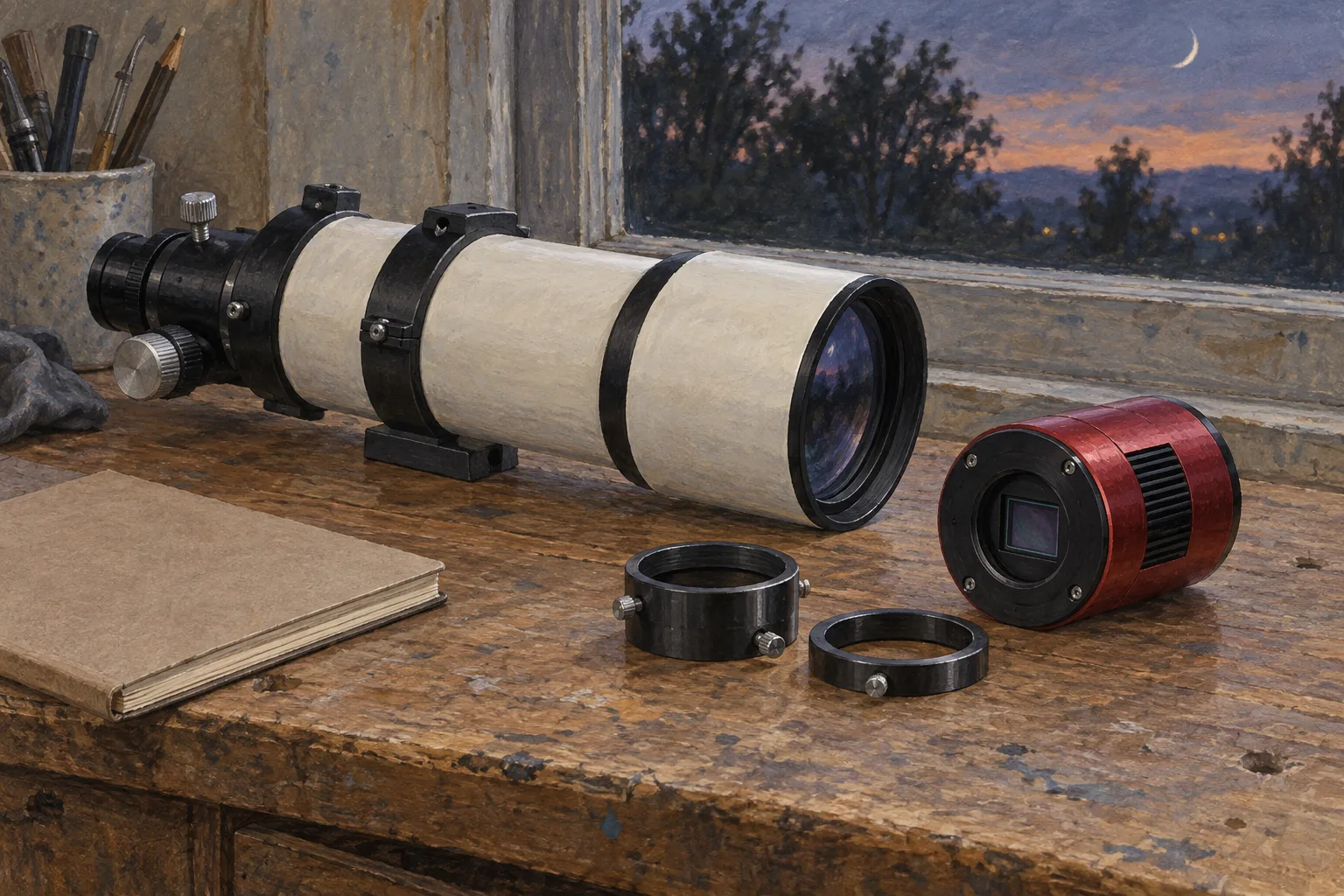
Image scale and sampling
Separate pixel scale, measured star width and atmospheric seeing before deciding whether a camera or focal-length change deserves consideration.
Target framing and camera rotation
Choose a target composition, allow room around important features and carry the planned centre and rotation into a checked first exposure.
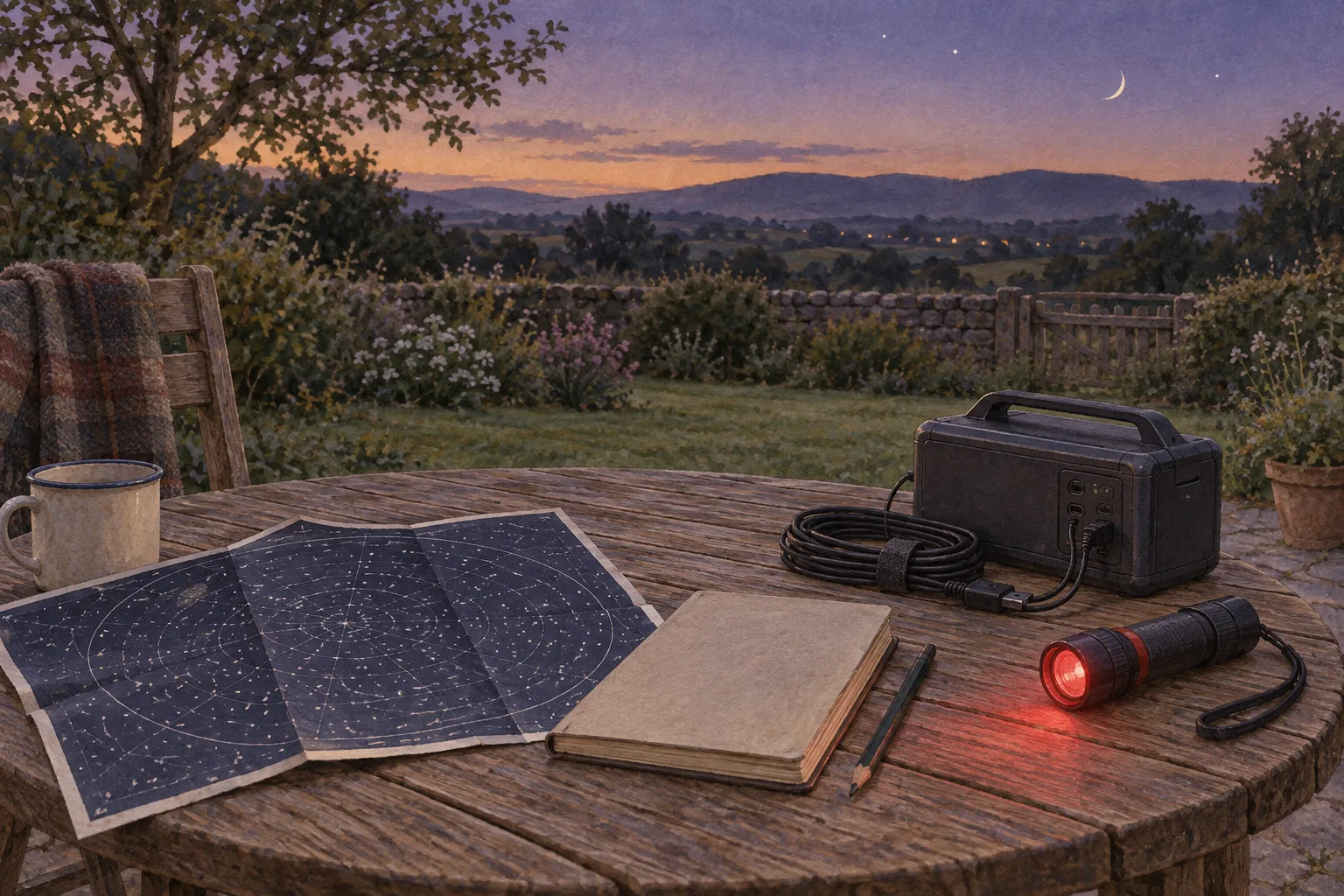
Focus measurement and session records
Build a comparable focus record across an imaging night, separate filter changes from temperature observations, and decide what evidence supports a refocus trigger.
Buying reviews
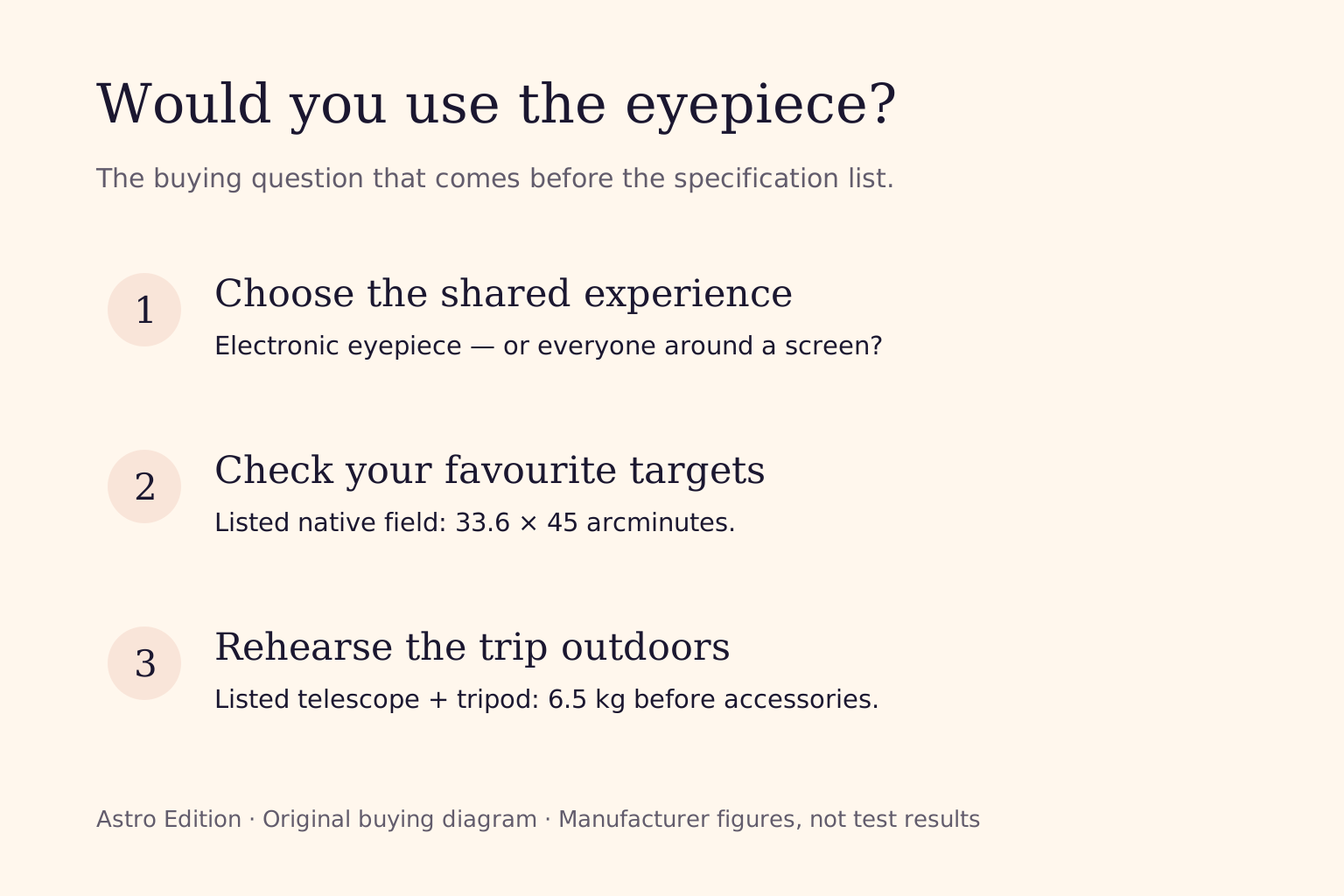
A research-based Odyssey Pro review for shared stargazing: the electronic eyepiece, framing limits, carrying weight and checks before you buy.
Plate solving
Check image scale, sky-position hints and offline solver files with a saved-image rehearsal, then use a controlled failure checklist.
Imaging automation
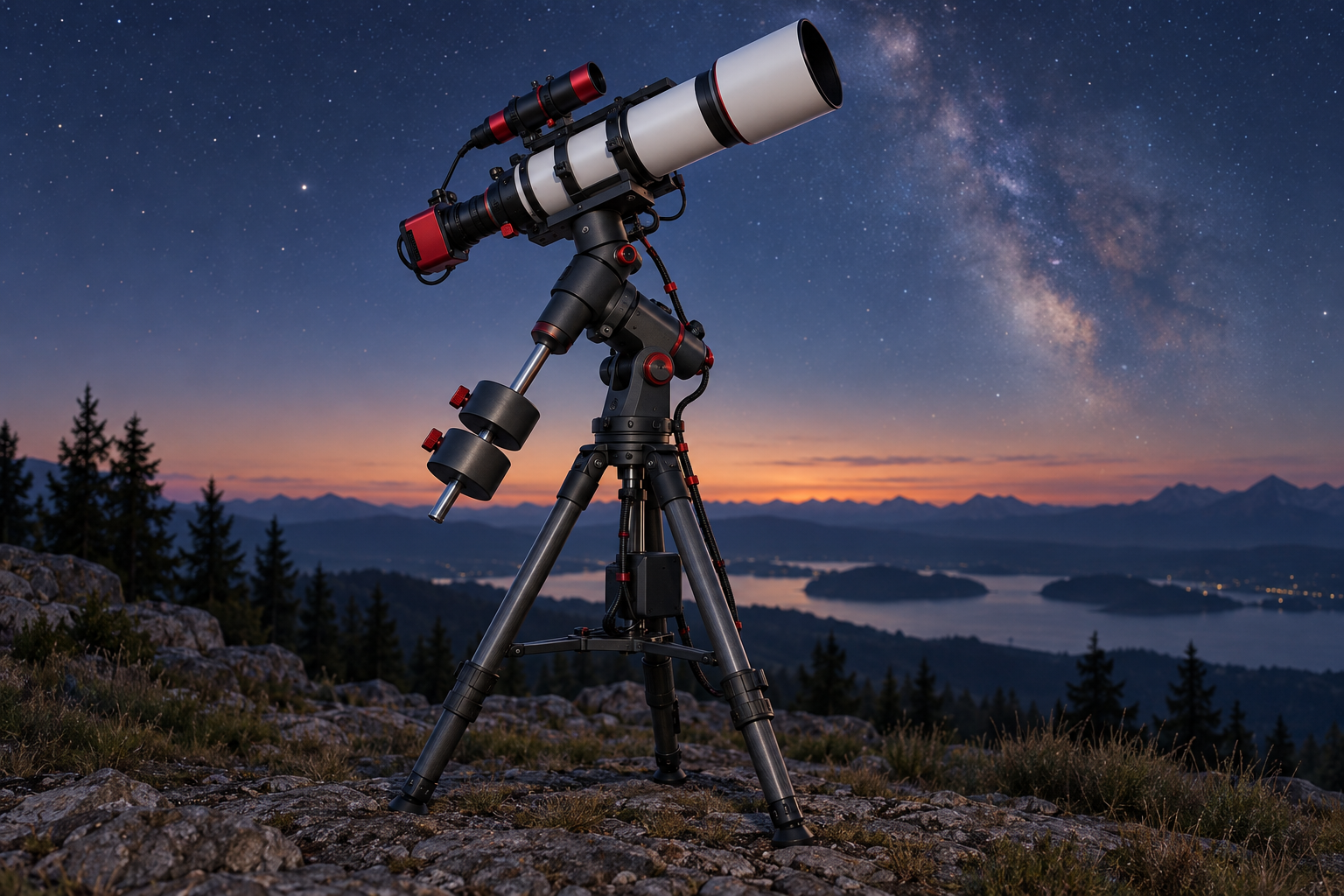
Prepare a supervised meridian-flip rehearsal that checks sequence timing, recentering, guiding and the first saved exposure after the move.
Portable telescope setup
Prepare a portable telescope’s cable route with a movement rehearsal, clear stopping rules and a short inspection before each new target.
Astrophotography troubleshooting
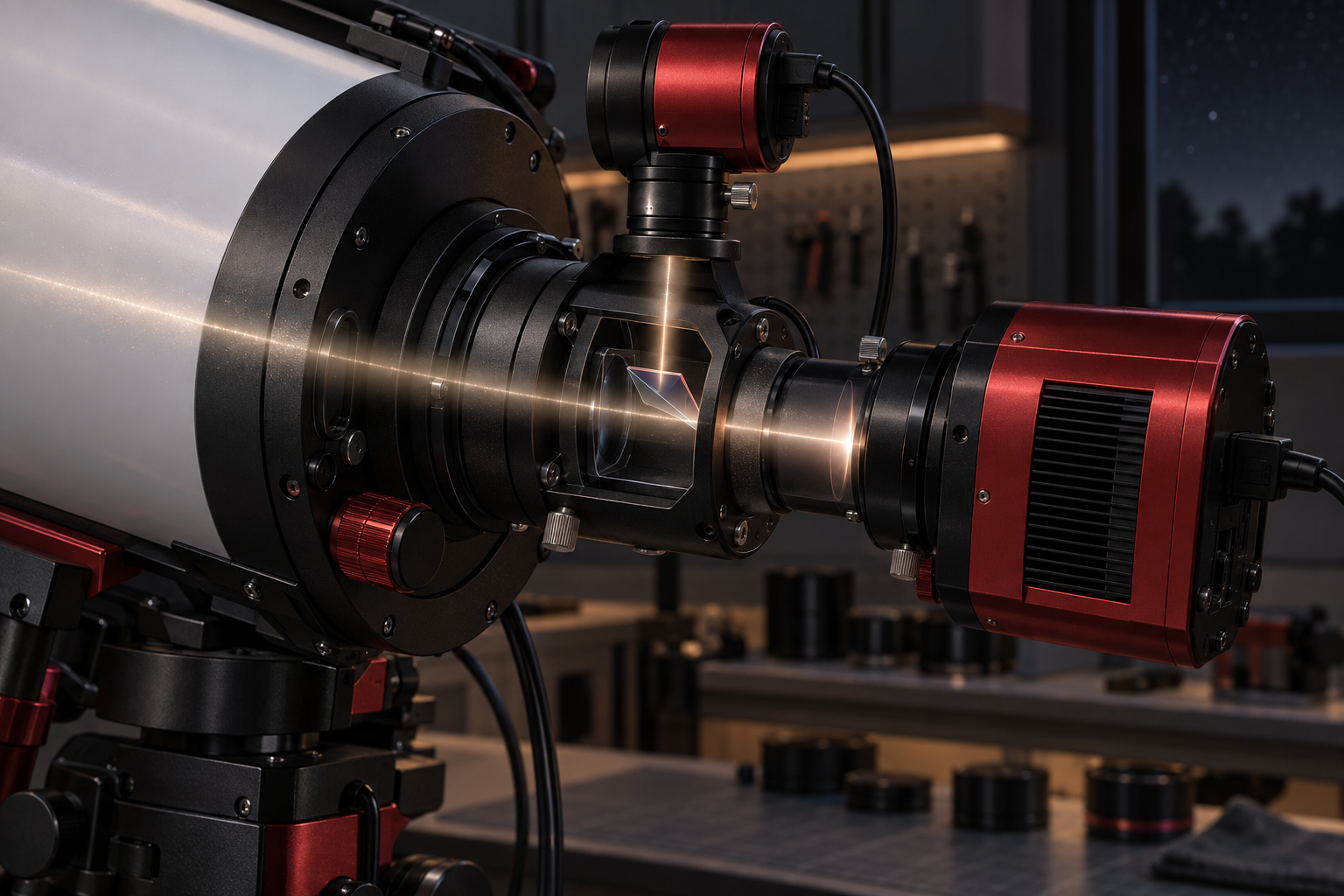
Use a controlled sequence of short and long exposures to investigate tracking, differential flexure, tilt and corrector spacing.
Imaging workflow
Separate capture, processing and backup space, then rehearse your folder structure with a small batch before an imaging weekend.
Astrophotography calibration
Match darks, flats and bias or flat-darks to your camera settings and processing workflow, with a practical record for deciding what to capture again.
Deep-sky imaging technique
Translate guide-camera pixels into imaging-camera movement, find the right controls and verify settling with a short capture trial.
Family stargazing comparison
Share galaxies without building a complicated rig. Compare Odyssey Pro, Seestar S50 Pro and Vespera II for family viewing, setup and the price you can justify.
Imaging session planning
Turn a darkness calendar into a realistic imaging timetable by overlapping astronomical night, Moon position, target access and setup time.
Smart telescope comparison
Want nebulae without building a full telescope rig? Compare three smart telescopes by setup, framing, price, battery and the kind of night you want.
Astrophotography exposure planning
Use raw image statistics, bright-star checks and a repeatable exposure trial to choose individual frame lengths, then plan retained integration separately.
Power
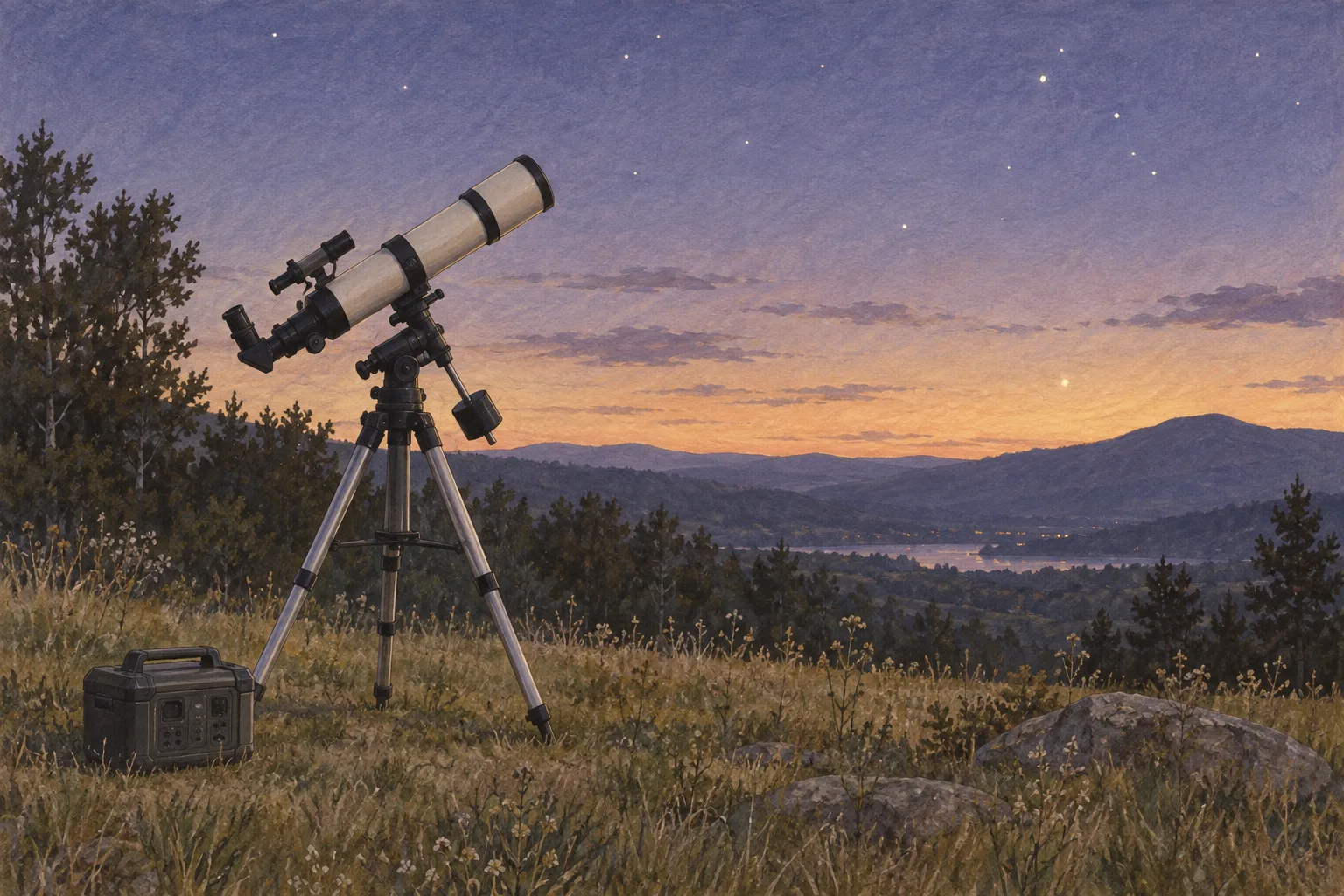
Calculate voltage, peak current, connectors and cold-weather reserve for a dependable portable imaging setup.
Optical train
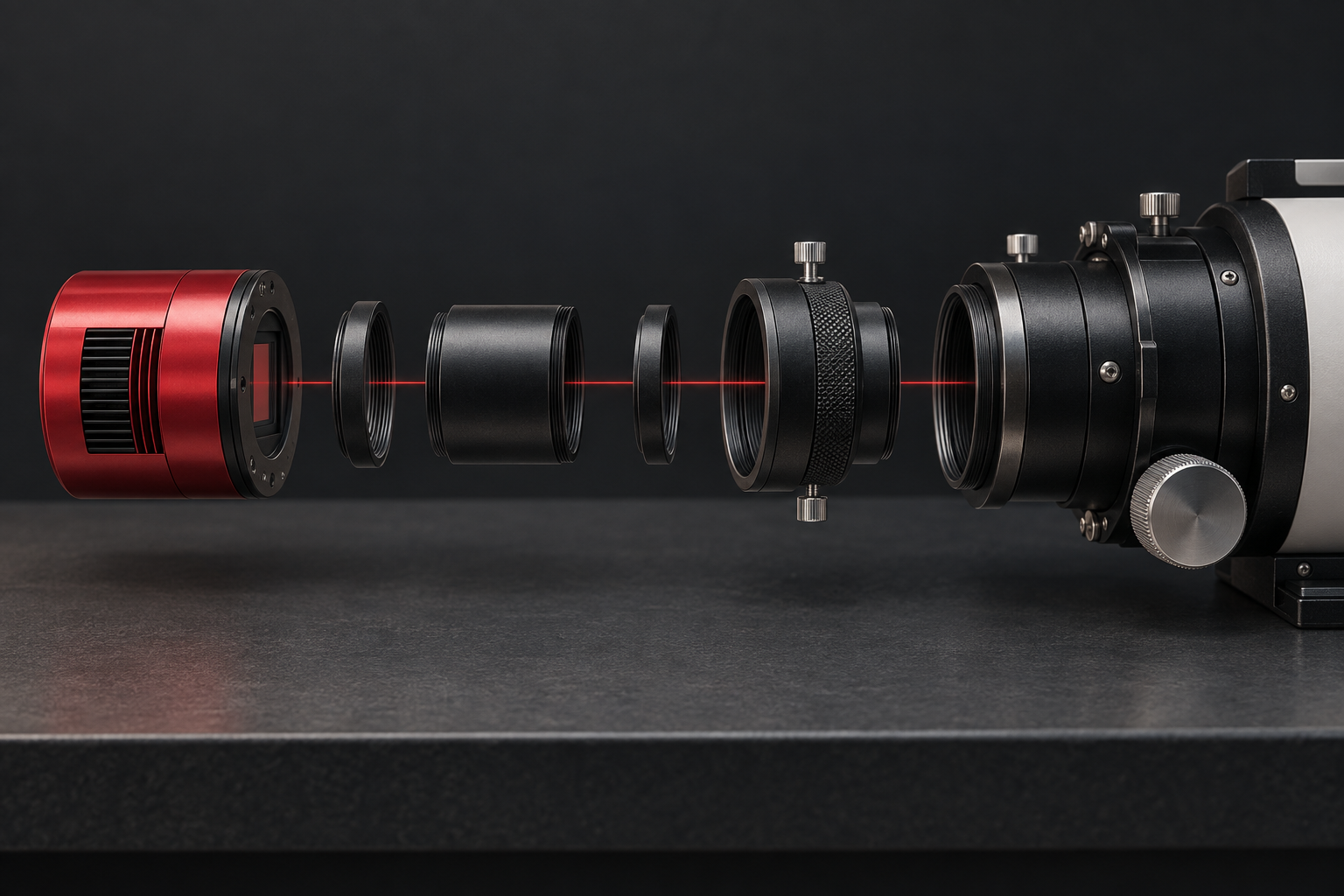
Map adapters, filters and sensor position into a measurable optical train before ordering astronomy accessories.
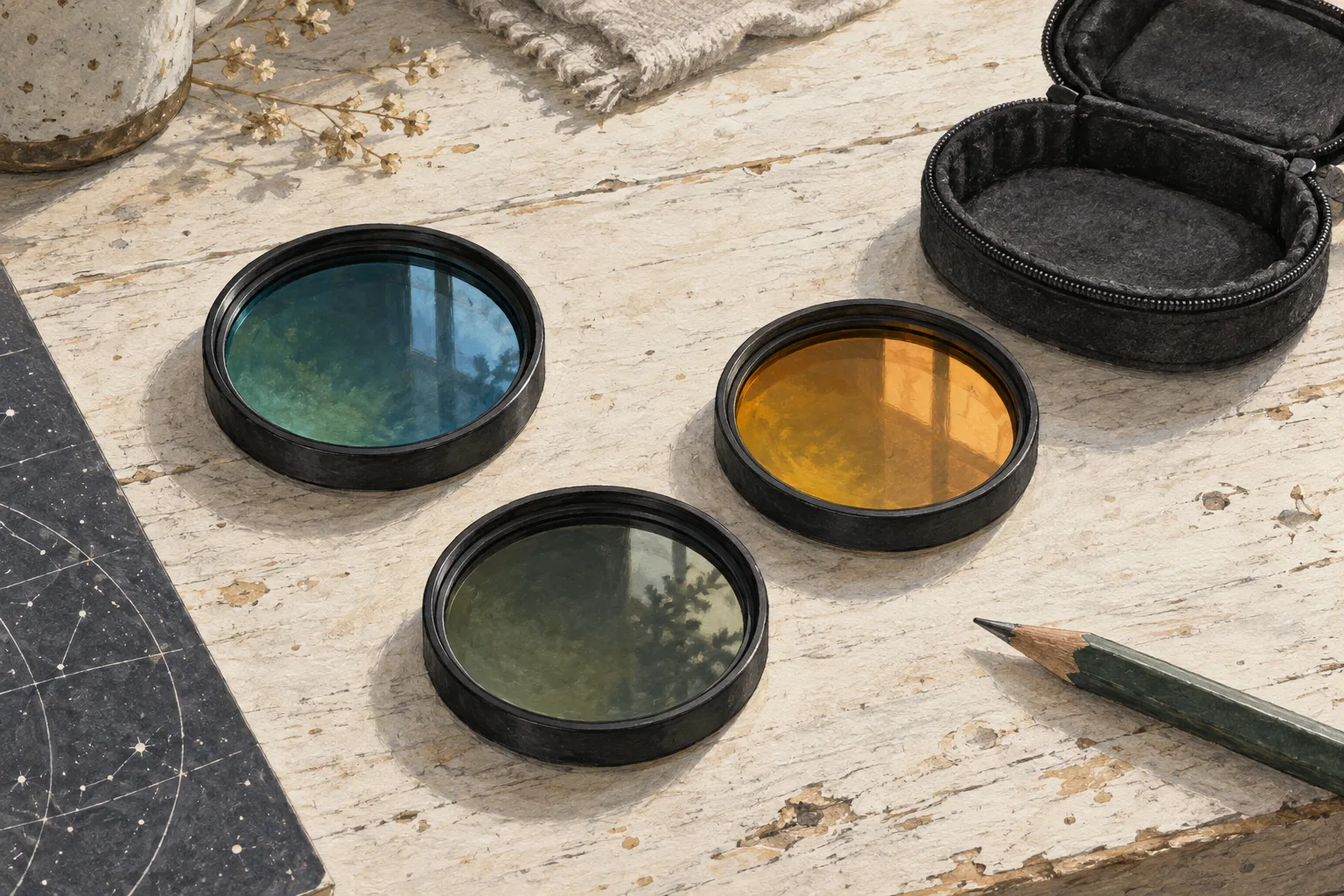
Filters
Choose an imaging filter strategy around target emission, local light pollution, camera type and available clear hours.
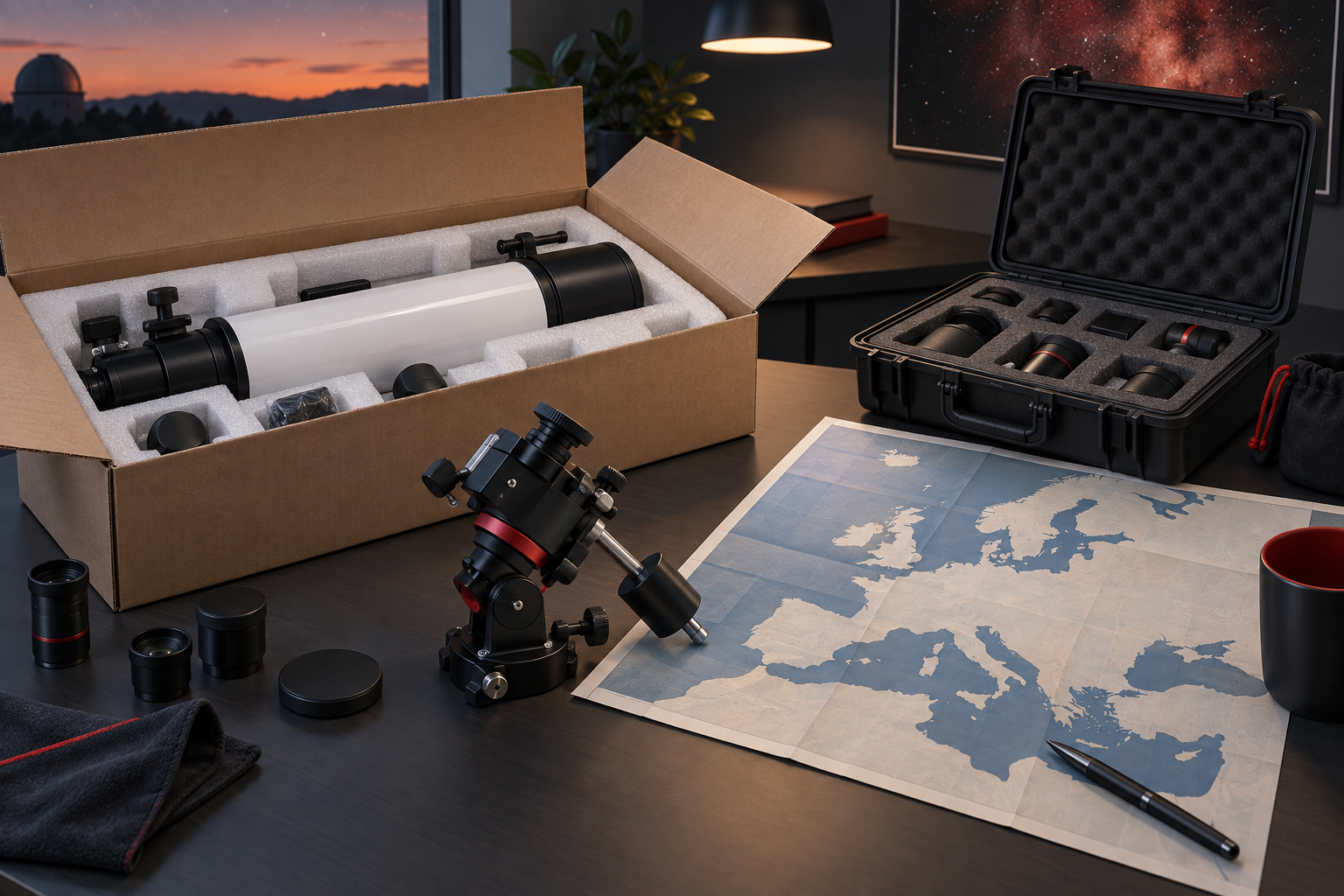
Buying well
Compare landed cost, VAT, warranty, returns and product variants before choosing a cross-border astronomy retailer.
Optical planning
Plan an imaging setup around target size, sensor dimensions, image scale and local seeing instead of aperture alone.
Guiding
Compare guiding approaches through focal length, flexure, available guide stars, spacing and setup complexity.
Rig planning
A constraint-first checklist for matching mount, telescope, camera, guiding, spacing, power and control before you buy.
Mounts
How focal length, moment arm, wind, balance and guiding change what an astrophotography mount can realistically carry.